| Sprint 4 & 5 | Girls in CS Panel | 2024 FRQ #2 | Final Exam Review | Final MC and FRQ |
Girls in CS Panel Blog
My Learnings from the 12-16 Panel
- Summary of Learnings
- Overview of Panelists:
- Why Interested in CS / What Inspired Choice of Major:
- Extracurricular Activities That Helped:
- College Applications and Essays:
- Skills They Wish They Had Learned Earlier:
Summary of Learnings
Through this panel, I learned about the various applications of computer science in different STEM majors, and I found the panelists' perspectives of how CS classes have impacted their lives to be fascinating. I now know a lot more about the college application process, as well as how to write successful applications and how to explain all of the projects I have created in a portfolio website of my choosing. I am inspired to reach out to other institutes regarding ways to create new and cutting-edge programs. Finally, I learned about the importance of having fun no matter what it is you're doing, which is a lesson that applies to my CS journey as well.
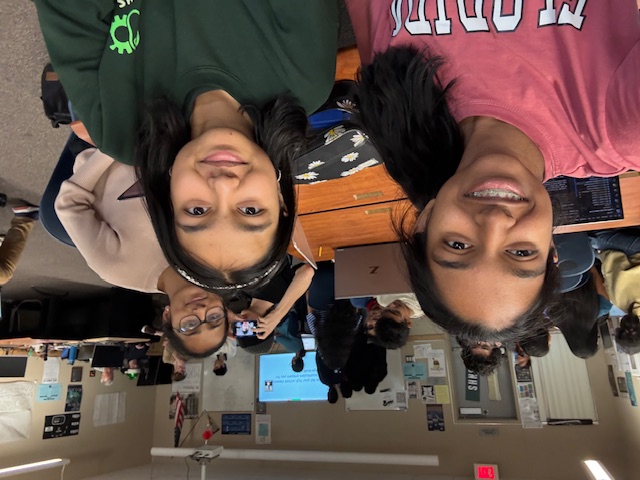
Overview of Panelists:
Neha: Third-year Computer Science major with interests in applying CS to various fields including private equity Aadit: Second-year Computer Science major who emphasizes the importance of taking initiative and self-directed learning Michael: Fourth-year Computer Science major with experience in collaborative projects and team-based development Tanisha: First-year Computer Science major representing the perspective of students just beginning their CS journey
Why Interested in CS / What Inspired Choice of Major:
- Applicability and versatility: CS can be applied across virtually every industry and field, from finance (like private equity) to healthcare, entertainment, and beyond
- Self-initiative and autonomy: CS rewards independent learning and allows students to build projects and skills on their own timeline without always needing formal instruction
- Problem-solving appeal: The ability to create tangible solutions to real-world problems through code and technology
Extracurricular Activities That Helped:
- AP Computer Science courses: Provided strong foundational knowledge and prepared students well for college-level CS coursework; panelists emphasized these were more beneficial than other introductory options
- CyberPatriot: Helped develop proficiency with Linux operating systems, command-line interfaces, and understanding of system-level programming
- General preparation: Early exposure through structured programs gave students confidence and technical skills before entering college
How Projects Are Helpful:
- Breaking down complexity: Learn to decompose large, intimidating projects into manageable, bite-sized tasks that can be completed incrementally
- Scrum methodology and leadership: Using agile/scrum frameworks teaches both technical and soft skills; leading a scrum team helps students learn how to organize work, delegate tasks, and manage timelines effectively
- Aadit’s experience: Built a complete full-stack application by tackling one component at a time (frontend, backend, database, etc.) rather than trying to do everything simultaneously
- UCLA’s Human-Computer Interaction class example: Students created a project specifically designed to solve a real problem—helping writers organize and articulate their ideas more effectively on paper
- User research emphasis: Conducted extensive surveys, interviews, and user testing to understand actual user needs before building solutions
- User-centered design philosophy: CS and software development should always start with understanding the end user’s needs, pain points, and behaviors rather than just building “cool” technology
- Internship inspiration: Real-world work experiences often spark ideas for personal projects by exposing students to industry problems and solutions
- Iterative improvement through observation: When you give users a product, watch how they actually interact with it (not just how you intended them to use it), then iterate and refine based on real usage patterns and feedback
College Applications and Essays:
- Neha’s approach: Focused less on technical achievements in CS and more on personal life experiences, character development, and unique perspectives that shaped her worldview
- Aadit’s approach: Centered essay on the tangible impact of his nonprofit organization, emphasizing reach and influence across San Diego and nationally, demonstrating leadership and social impact
- Michael’s approach: Highlighted collaboration as a core theme, explaining how CS is inherently a team-based discipline; also emphasized intellectual curiosity and passion for continuous learning
- Tanisha’s approach: Told a personal growth narrative, describing the journey from being a complete beginner with no coding knowledge to developing competence and confidence in CS
Overall takeaway: Authenticity and personal story matter more than just listing technical achievements; admissions officers want to understand who you are as a person
Skills They Wish They Had Learned Earlier:
- Strong technical foundation first: Build solid programming fundamentals, data structures, and algorithms knowledge before diving into specialized areas or trying to do everything at once
- Public speaking and presentation skills: Ability to explain technical concepts to non-technical audiences, present project demos, and communicate effectively in professional settings (panelists noted Del Norte High School helps develop these skills)
- Project planning and management: CS education often focuses heavily on coding/development but neglects the crucial planning phase—learning how to scope projects, create timelines, identify dependencies, and plan architecture before writing code is essential for success
Communication and Coding:
- Critical for team understanding: Clear communication about code architecture, design decisions, and implementation details ensures everyone on a team is aligned and can contribute effectively
- Visual documentation tools: Create and share entity-relationship diagrams (ERDs) for databases, state diagrams for system behavior, flowcharts for algorithms, and architecture diagrams to make complex systems understandable
- Hackathons as learning opportunities: Fast-paced hackathon environments force you to practice explaining your code quickly and clearly to teammates and judges
- Code documentation best practices: Write meaningful comments that explain “why” not just “what,” create descriptive commit messages that tell the story of your changes, and maintain README files that help others understand and use your projects
- Communication as a technical skill: Being able to articulate technical concepts clearly is just as important as being able to write good code